
Delta scanning
Measuring change in a person against that person’s own earlier measurements, acquired under conditions controlled tightly enough that the change can be separated from the noise.
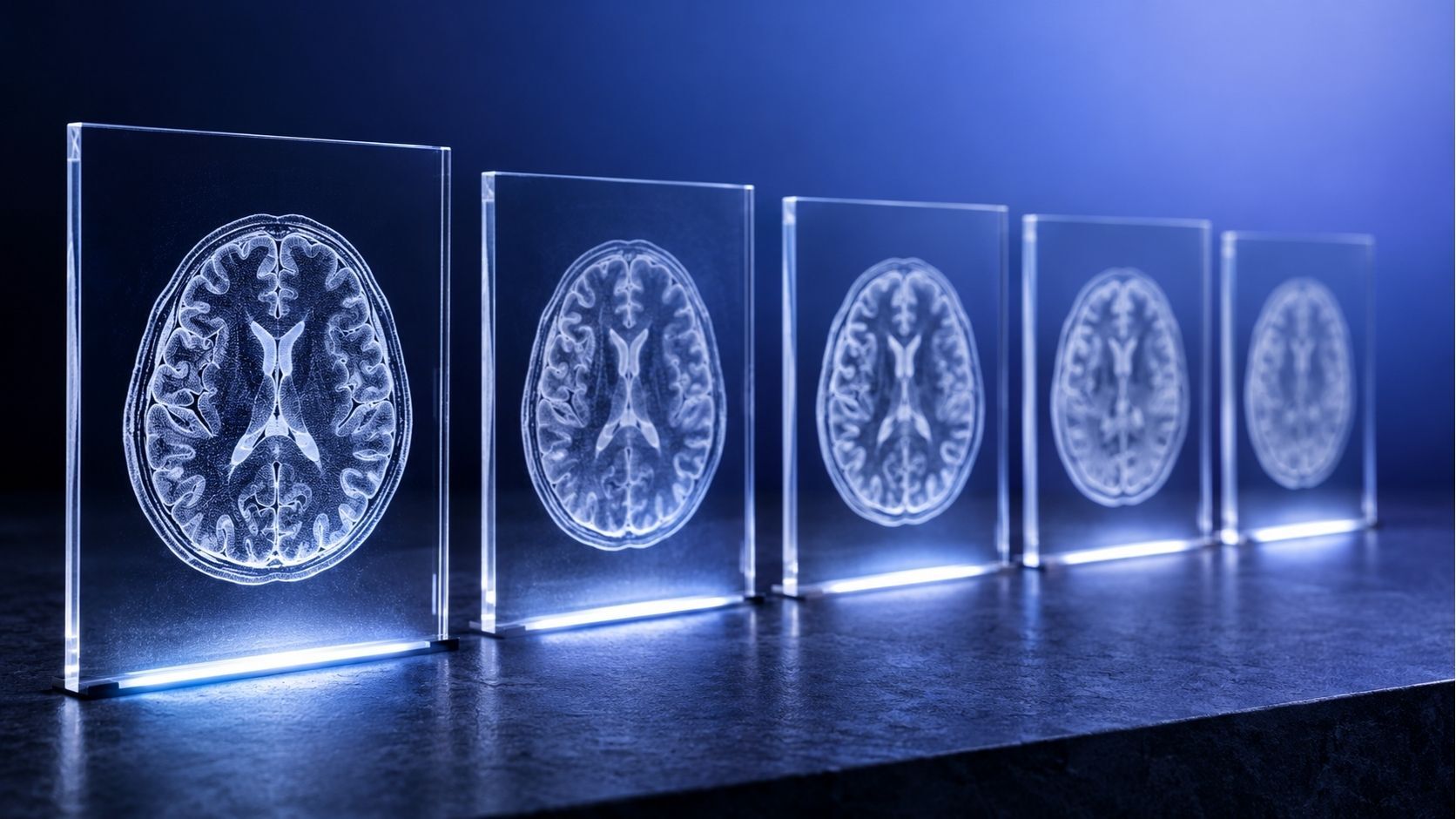
A number without its error is a guess.
The longevity market has learned to measure. Almost none of those numbers come with the one thing a measurement needs to be useful: how wrong it could be.
What makes a scan a delta scan.
Your own baseline
Every change is measured from your own earlier scans.
Controlled acquisition
Same instrument, same settings, same conditions at every visit.
Measured twice, every visit
Two scans per visit, so the noise is measured, never assumed.
The change with its noise
A smallest detectable change computed for each person, reported with every result.
Why the shortcuts cannot be done precisely.
Uploaded scans
On a scan taken on a different machine, with different settings, a year of change is smaller than the difference between the two machines.
Single-scan percentiles
A percentile places you within a crowd of other people. It cannot show how far you have moved since last year.
Single scores
A score that moves six years between two tests a month apart is telling you about the test. Without the interval, the reader cannot know.
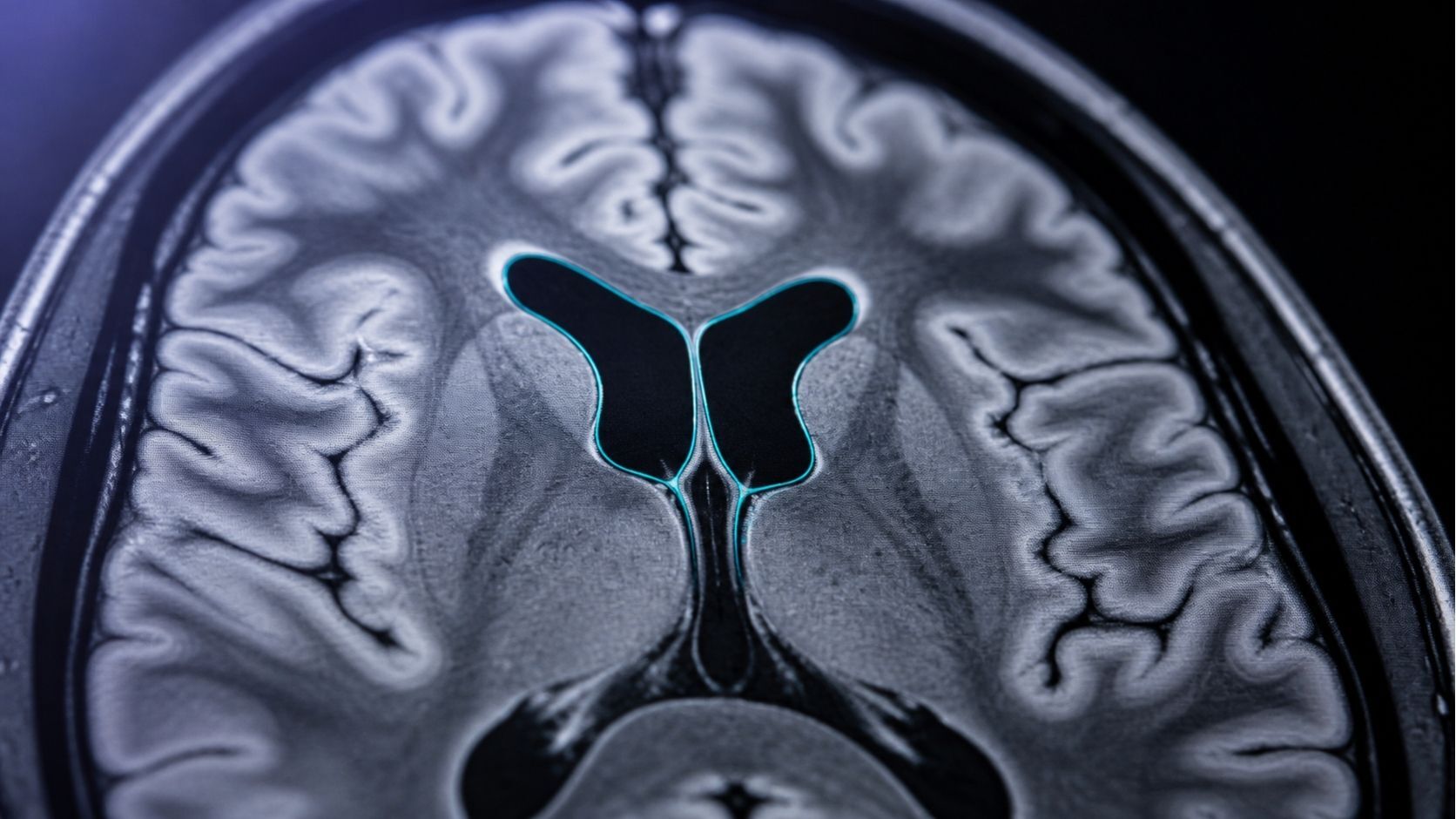
Brain trajectory. NevoScan™.
The brain is the hardest case, which makes it the right place to start. It is the only application Delta scanning has today.
Your brain trajectory starts with the scan you take today.